.png)
How to Introduce Skincare Actives Without Irritating Acne‑Prone Skin
If you’re 35+ and still dealing with breakouts, it can feel like you’re stuck between two extremes: products that are too gentle to make a difference, or “acne fixes” that leave your skin dry, sore and reactive.
The good news is that many irritation problems aren’t because your skin is “too sensitive” or you’re “doing it wrong” — they’re often down to how actives are introduced (too many, too often, layered incorrectly, or added when the skin barrier is already stressed).
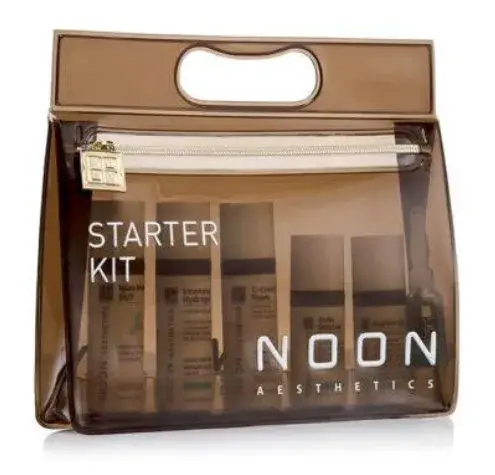
This guide explains a calm, step-by-step way to add skincare actives with fewer flare-ups — and how our Skin Kits are designed to make that process simpler and more consistent.
Educational information only. Everyone’s skin is different. Persistent, painful, widespread, scarring, or sudden-onset acne should be assessed by a qualified medical professional.
Why acne‑prone skin gets irritated so easily (and why it’s common 35+)
Adult acne often isn’t “just acne.” Many people are juggling several competing issues at once:
Barrier disruption (tightness, stinging, flaking, sensitivity)
Inflammation (redness around breakouts, lingering marks)
Dehydration + oiliness together (skin produces more oil when it’s stressed)
Hormonal shifts (breakouts around chin/jaw, cyclical flares)
Over-cleansing + over-treatment from years of trying to “dry it out”
Slower recovery compared to your 20s (skin can feel less resilient)
When you introduce actives aggressively on top of this, irritation rises—and irritated skin often breaks out more.
Key idea: For acne-prone skin, “stronger” isn’t always better. Consistency + tolerance usually wins.
The 4 most common mistakes when starting actives
1) Starting multiple actives at once
If you introduce exfoliating acids + azelaic acid + “treatment” products together, you can’t tell what’s working—and your barrier takes the hit.
Instead: Start with one active, build tolerance, then consider adding a second.
2) Using actives too frequently too soon
Daily use isn’t the starting line.
Instead: Start at 2 nights per week, then increase gradually.
3) Layering “treatments” onto already irritated skin
If your skin stings with water, feels raw, or is peeling, adding actives often makes the cycle worse.
Instead: stabilise your barrier first (see below).
4) Treating acne like it’s only about drying the skin
This can backfire by increasing sensitivity and rebound oiliness.
Instead: support the barrier while you introduce actives.
Step 1: Do a 7–14 day “barrier reset” (if you’re reactive)
If you’re currently stinging, peeling, or feeling tight after cleansing, do this first.
Your simple routine:
Gentle cleanser
Barrier support moisturiser (this is where our OMG/SOS rescue cream can be useful).
Our rescue creams are highly restorative, medical‑grade formulas designed to support a compromised skin barrier, provide lasting hydration, and offer antioxidant protection — which can help your skin feel calmer and more comfortable while you reset.
Daily SPF
Many acne-prone adults do better when they have a “calm base” product in the routine before adding actives.
Step 2: Introduce skincare actives based on your breakout type
To keep irritation low, start with one active only. The “best” one depends on what you see most on your skin:
Mostly bumps / clogged pores / rough texture? Start with Noon Lacto S (a controlled exfoliating step).
Mostly redness, inflamed spots, or you’re easily reactive? Start with Noon Azelaic Acid (often chosen for acne-prone skin that also flushes or marks easily).
Mostly active breakouts and you want a targeted acne step? Start with Noon AcNo Complex.
Step 3: Increase frequency, not complexity
One change at a time protects skin and makes outcomes easier to interpret.
Start with one active, twice weekly—then build only if your skin stays calm.
Step 4: Buffering & “sandwiching”
If you’re acne-prone and easily irritated, these techniques can help:
Buffering: moisturiser first, then active
Sandwich method: moisturiser → active → moisturiser
This is often the difference between “I can’t use actives” and “I can use them consistently.”
How to tell irritation from a breakout cycle (so you don’t push through damage)
More likely irritation:
burning or stinging
widespread redness
tightness and peeling
rash-like bumps in new areas
increasing sensitivity to products you used to tolerate
More likely normal fluctuation:
breakouts in your usual areas
no burning/stinging
gradual changes over weeks rather than sudden rawness
If you suspect irritation: reduce frequency, simplify, and prioritise barrier support.
Get a personalised routine plan (Free Skincare Assessment)
If you’d like help choosing which active to start with—and what to use on the “non-active” days—you can complete our Free Skincare Assessment.
What happens next:
You complete the assessment
We review your skin goals and tolerance
We recommend the most suitable kit/routine or advise you to pause/seek medical input if that’s safer
Find Your Best Starter Active